Three research-source placeholders
The three entries below are reserved for publicly accessible reporting, research papers or archival records. They are not marketplace links and do not imply that any source has already been verified.
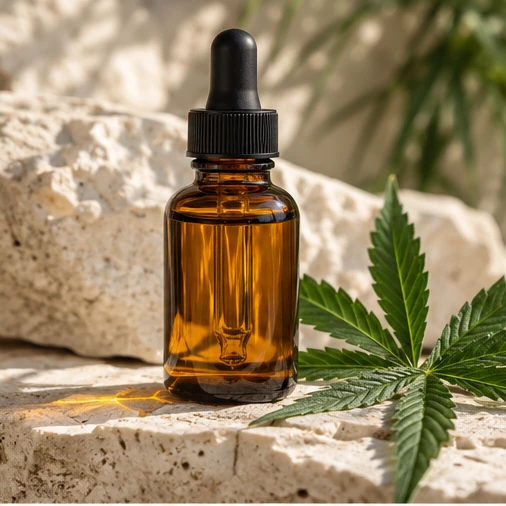
Explore a visual study of cannabis botany and plant-derived materials. These editorial images are AI-generated illustrations, not evidence of products, sellers, or marketplace activity.
The source of an image matters as much as its appearance. Visual realism is not verification.
Our evidence methodology →
The three entries below are reserved for publicly accessible reporting, research papers or archival records. They are not marketplace links and do not imply that any source has already been verified.
Look for a named publisher, author, original publication date, clear methodology and a way to check primary evidence. Distinguish a firsthand record from a directory repeating an unattributed assertion.
If sources disagree, describe the disagreement and the limitations of each source rather than selecting the most sensational version.
[INSERT PUBLIC RESEARCH SOURCE URL 1]
Unreviewed placeholder · not a marketplace address[INSERT PUBLIC RESEARCH SOURCE URL 2]
Unreviewed placeholder · not a marketplace address[INSERT PUBLIC RESEARCH SOURCE URL 3]
Unreviewed placeholder · not a marketplace addressIf two accounts disagree, preserve both with their publication dates and explain the conflict. A timeline that suppresses inconvenient evidence is not a reliable archive.
Further reading: NIST Digital Identity Guidelines · Google Search content guidance